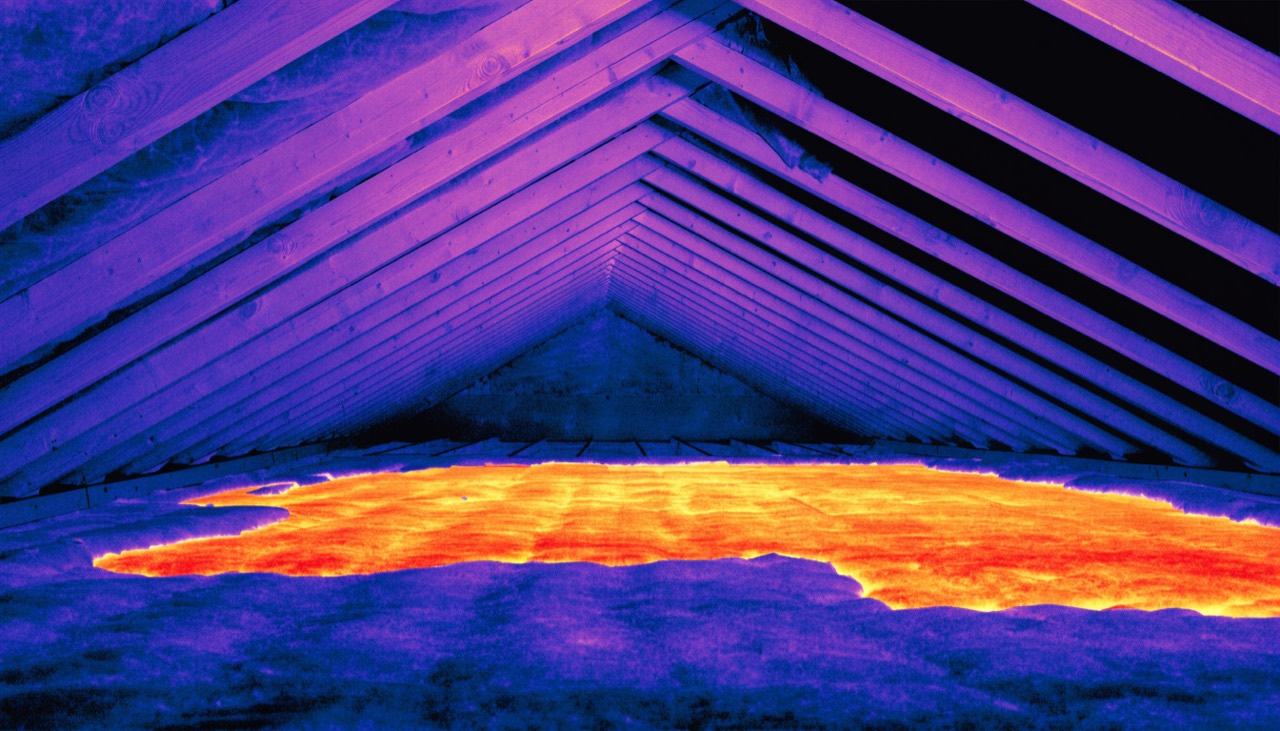
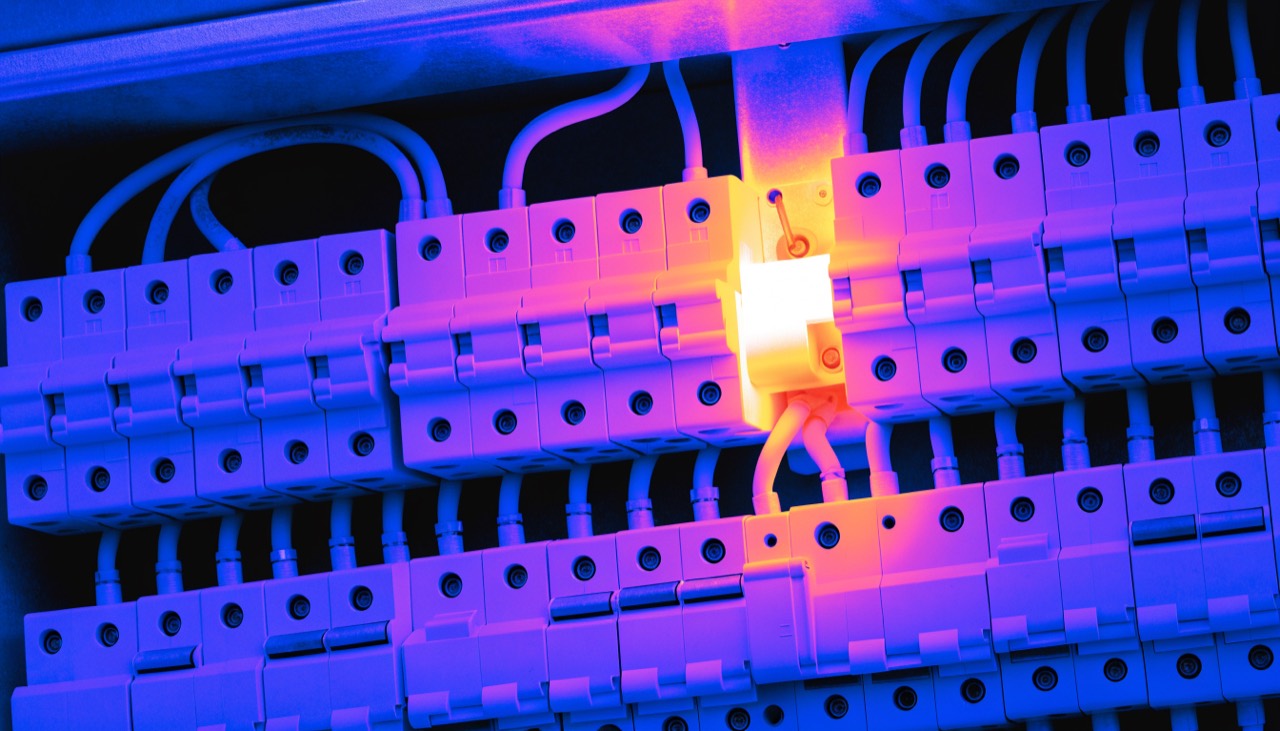
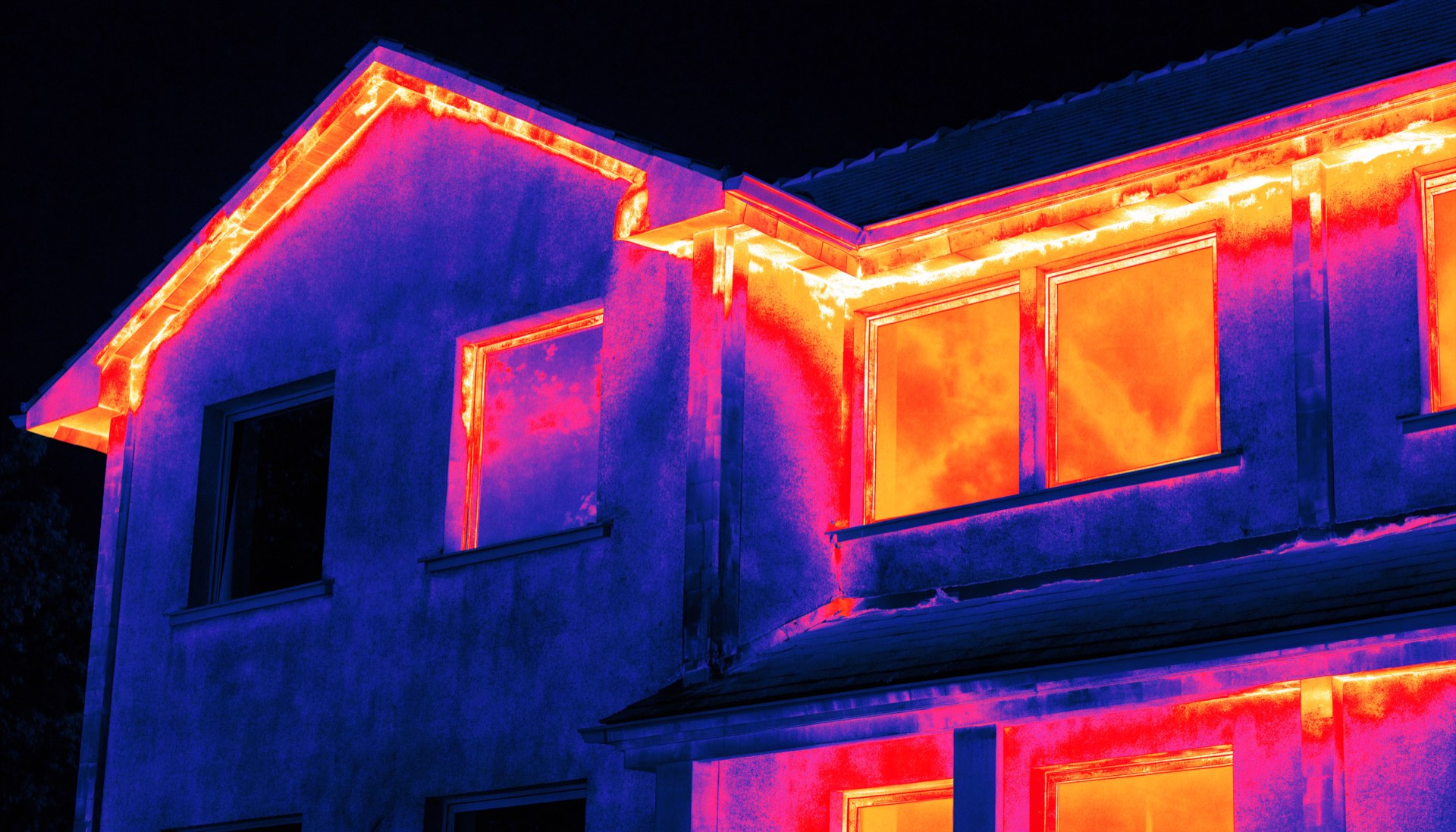
A thermal camera does not see through walls — that is a myth worth killing early. What it does is read the surface temperature of everything in front of it, to a tenth of a degree. Wet drywall is colder than dry drywall. A stud is warmer than the missing insulation beside it. A loose electrical connection is hotter than the one next to it carrying the same load. In an Ottawa winter, that temperature difference turns the entire building envelope into a readable document.
Why it is included and not sold as an upgrade
Most Ottawa inspectors charge $150 to $250 for a thermal scan as an add-on, which means most inspections do not get one, which means the defects it finds go unfound. We include it on every inspection because a home inspection without infrared in a climate like this one is a partial inspection, and charging extra for the good version is not a business model we want.
What it reliably finds
Missing, settled or wind-washed attic insulation. Air leakage at rim joists, top plates and around windows. Active moisture behind finishes from a leaking shower pan, an ice dam, or a foundation seepage point. Overheating breakers and loose lugs in the panel. Radiant floor loops that have failed. Blocked or disconnected supply ducts. Rodent runs in insulation.
What it cannot do
It cannot see inside a wall cavity where there is no thermal difference. It cannot detect mould, only the moisture conditions that lead to it. It cannot find a leak that is not leaking at the moment of the scan. We will always tell you which of those limits applied on the day.
What is included
- Full envelope scan: exterior walls, ceilings, rim joists, windows and doors
- Attic and insulation coverage mapping
- Moisture scanning of bathrooms, kitchens, basements and below-grade walls
- Electrical panel and accessible circuits under load
- HVAC supply and return performance, room by room
- Confirmatory moisture-meter readings on every anomaly the camera flags
Why this matters in Ottawa
Ottawa gives infrared the best working conditions in the country. The camera needs a temperature difference across the assembly, and from November to March we have thirty degrees of it. A scan done here in January is dramatically more informative than the same scan done in a mild coastal winter — which is the one genuine technical advantage of inspecting homes in this city.